English| EUR
Suggested for you
More currencies
Choose a language
Lake Titicaca sits at 3,812 meters above sea level, straddling the border between Peru and Bolivia, and its scale demands more than a day trip. The lake spans over 8,300 square kilometers, with inhabited islands that require boat transfers, overnight stays, and time to adjust to the altitude. Deciding how many days in Lake Titicaca depends on which islands you want to visit and whether you plan to cross into Bolivia.
Quick answer
Most visitors spend 2 to 3 days at Lake Titicaca. A two-day itinerary covers the Uros floating islands and Taquile Island from Puno, while three days allows for an overnight homestay on Amantaní Island or a crossing to Isla del Sol on the Bolivian side. Solo travelers rushing between Cusco and La Paz often allocate just one full day, but this limits exploration to the Uros islands alone.
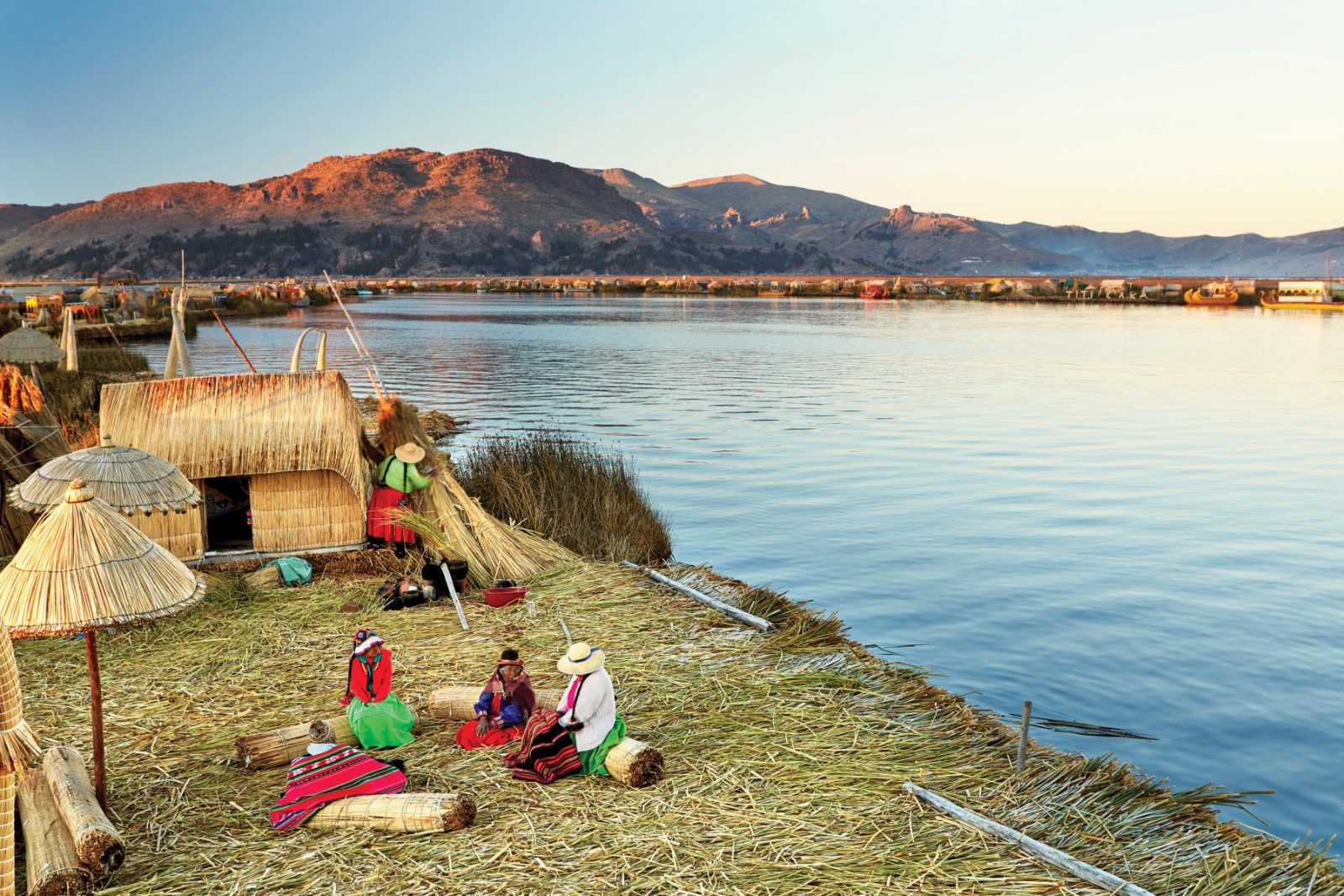
Lake Titicaca is the world's highest navigable lake, and its islands are not clustered near the shore. The Uros floating islands lie 5 kilometers from Puno's port, Taquile Island requires a two-hour boat ride, and Amantaní sits another hour beyond that. Each destination operates on its own rhythm, shaped by boat schedules, weather windows, and the communities that host visitors. The question of how many days in Lake Titicaca is less about the lake itself and more about which islands you prioritize. A single day covers the Uros and a quick stop at Taquile, returning to Puno by late afternoon. Two days adds depth, with time to walk Taquile's stone paths, visit textile cooperatives, and watch the sun set over the Cordillera Real. Three days incorporates an overnight on Amantaní, where families host travelers in adobe homes and guide them up to Pachamama and Pachatata temples for views across the entire lake. Crossing into Bolivia extends the trip further. Copacabana sits 150 kilometers from Puno, with Isla del Sol another 90 minutes by boat. Travelers who want to see both the Peruvian and Bolivian sides typically dedicate four to five days, splitting time between Puno-based island tours and the Inca ruins on Isla del Sol. The altitude compounds every decision—most visitors arrive from Cusco or La Paz, already acclimatized, but those coming from sea level should budget an extra day in Puno to adjust before boarding a boat. Boat departures cluster in the early morning, between 07:00 and 10:00, when the water is calmest. Afternoon chop can turn a smooth crossing rough, and captains on the Bolivian side occasionally delay or cancel trips if the wind picks up. The lake's weather shifts faster than its boats, so flexible itineraries perform better than rigid ones. Visitors who dedicate at least two full days unlock the lake's working rhythms—the reed-cutting on Uros, the communal meals on Amantaní, the long light that turns the water from cobalt to silver as the sun drops behind the Andes.
“The lake's weather shifts faster than its boats, so flexible itineraries perform better than rigid ones.”
Most visitors find 2 days sufficient to cover the Uros Floating Islands and Taquile Island, the lake's most accessible highlights. Those seeking deeper cultural immersion or exploring both Peruvian and Bolivian shores should plan 3–4 days.
Depart Puno harbor by boat to visit the iconic reed islands. Tours typically last 2–3 hours with time to meet island families and learn about traditional construction methods.
Continue to Taquile for lunch and a walk through terraced hillsides. The island requires a 30-minute uphill climb from the dock, so wear comfortable shoes.
Overnight homestays allow you to experience Quechua village life and participate in evening cultural activities. This requires an extra day but offers the most authentic cultural exchange.
Cross the border to explore Inca ruins and hiking trails on the Island of the Sun. Budget a full day for border formalities and the 2-hour boat ride from Copacabana.
Use this day for the Sillustani funerary towers near Puno or as contingency time if weather delays boat departures.
The period between May and October offers the most favorable conditions for visiting Lake Titicaca, characterized by dry, sunny days. Regardless of the season, the best arrival window is 07:00–10:00, as early morning provides the clearest skies, calmest waters, and best light for photography.
Dry; 10°C to 18°C. This is the peak season for travel and offers consistent visibility.
Rainy; 5°C to 16°C. Expect intermittent rainfall, particularly during January and February.
—
Arriving between 07:00–10:00 ensures minimal crowds and optimal light conditions for any planned activities.
Verdict: The best time to visit is during the dry months of May or October, arriving strictly within the 07:00–10:00 window to capitalize on calm waters and clear visibility.
Lake Titicaca spans the border between Puno, Peru, and Copacabana, Bolivia. Reaching the lake requires significant travel time from major regional hubs, which directly dictates how much time remains for your visit.
Cusco to Puno via Route 3S
La Paz to Copacabana via Route 2
Juliaca Airport to Puno
Plan your arrival window between 07:00–10:00 to ensure you have sufficient time to reach your accommodation or port before afternoon activities. Aiming for this early timeframe helps maintain your schedule for exploring the islands.
Lake Titicaca remains accessible to visitors at all times, providing full flexibility when planning your trip duration. The region is open daily, allowing you to organize your itinerary according to your preferences.
Lake Titicaca sits at 3,812 meters, so preparation varies by itinerary length but certain essentials apply regardless of whether you're staying one day or five.
Everything you need to know about how many days in lake titicaca
Most travelers find that deciding how many days in lake titicaca to spend depends on their interest in the Uros floating islands and Taquile. A two-day itinerary is generally sufficient to explore the primary cultural sites without rushing.
For those with a tight schedule, a shorter visit still offers a glimpse of the high-altitude landscape and local traditions. While you may not see every corner, a focused day trip remains a popular way to visit the lake.
Families planning how many days in lake titicaca should consider the impact of altitude and travel time between islands. Choosing a pace that allows for rest helps ensure everyone enjoys the cultural experience.
Foreign visitors must pay an entrance fee of 30 PEN to access regional sites and island trailheads. This fee is payable in cash, so ensure you have the local currency ready upon arrival.
To maximize your time, the best arrival window is between 07:00 and 10:00. Arriving early provides the clearest skies, calmest waters, and the most favorable light for photography.
Spending three or more days allows for a comprehensive journey between the Peruvian and Bolivian shores. This timeframe provides a relaxed pace to experience the distinct landmarks found in both Puno and Copacabana.
The site is accessible every day of the week from 00:00 to 23:59. Please note that while the site is officially open during these hours, boat schedules and trail access may vary based on local operations.